
The Angkor Sentinel drills signal renewed US interest in the region and allow Cambodia to recalibrate its ties beyond China, analysts say
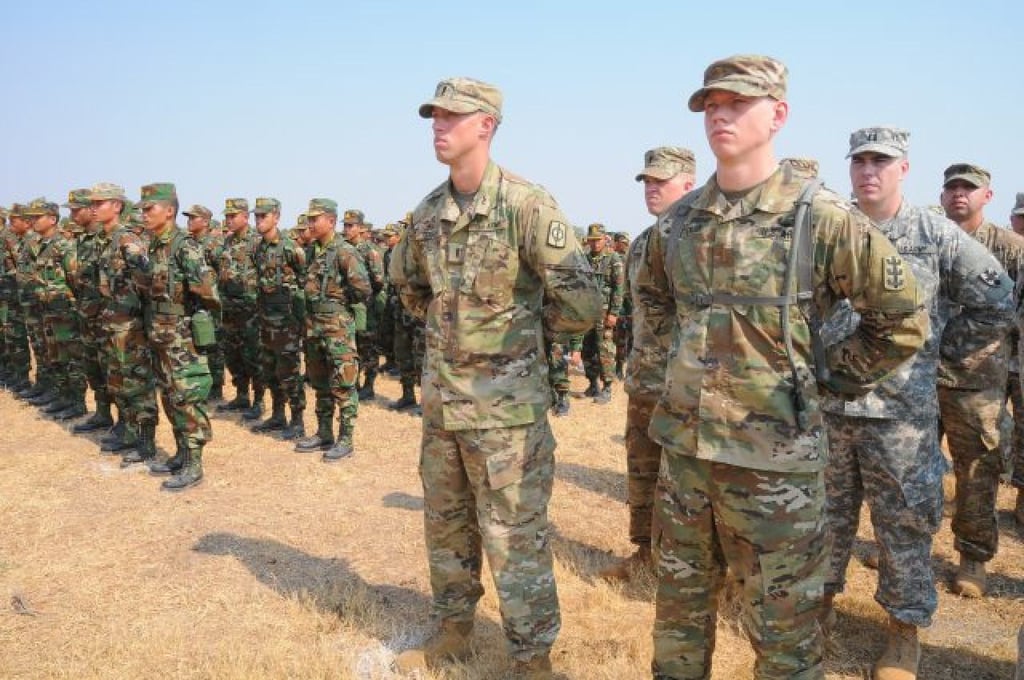
The long-frozen Angkor Sentinel drills will resume following a meeting between US Defence Secretary Pete Hegseth and his Cambodian counterpart on the sidelines of a regional security summit in Malaysia last week.
The drills were suspended in 2017 after Washington raised concerns about democratic backsliding in Cambodia. That year, the Supreme Court dissolved the main opposition party, arrested its leader on treason charges and banned more than 100 senior opposition figures from politics.
“This is good news for Southeast Asia as it reflects Washington’s continuous interest in the region and its willingness to engage with Cambodia,” Abdul Rahman Yaacob, a researcher at the Australian National University, told This Week in Asia.
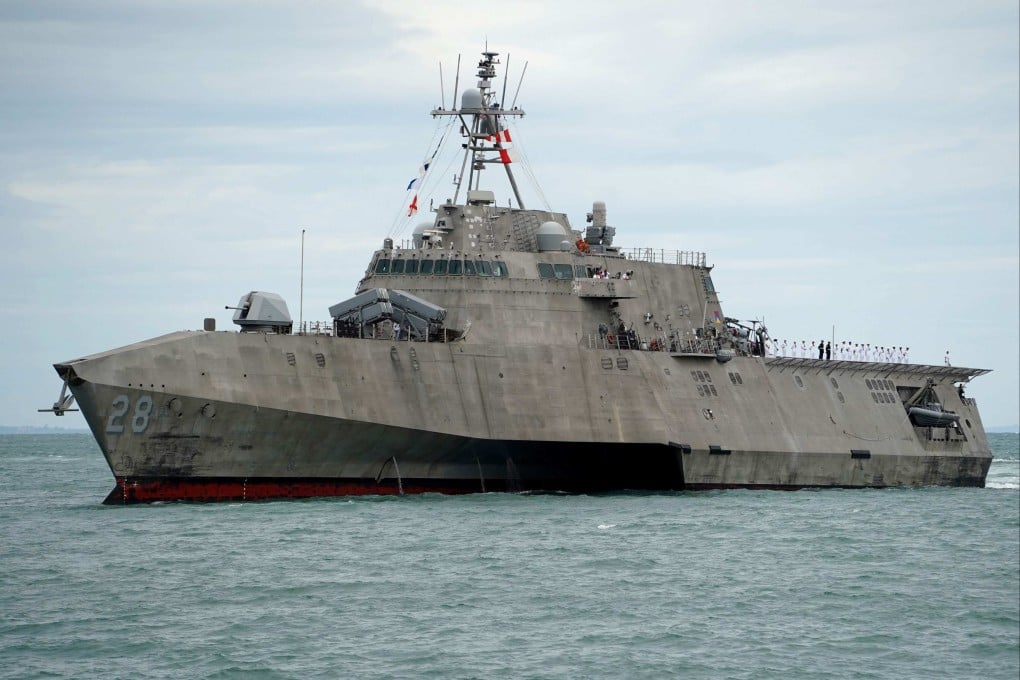
The defence chiefs also discussed the possibility of Hegseth joining a future US naval ship visit to Cambodia’s Ream Naval Base, according to a statement.
Defence ties between the US and Cambodia have thawed in recent months, with the two militaries holding in July their first formal bilateral defence dialogue since 2017.
This followed a port call by the US Navy ship USS Savannah in December 2024, the first port visit in eight years, and a visit by a US Army Pacific commander in February 2025.
These military developments are part of a broader warming of diplomatic ties, which also includes a new US-Cambodia trade agreement and a Washington-facilitated peace accord between Cambodia and Thailand over their border dispute.
Rahman said the warming of US-Cambodia defence relations was significant, given that they had until recently been “lukewarm”.
“However, China’s control over Ream is unclear at this point,” Rahman said, adding that the joint drills showed growing interest between the US and Cambodia in expanding bilateral defence relations.

China has extensive influence over Cambodia, including strong military ties characterised by joint exercises, military aid and cooperation on training.
Beijing has helped modernise Cambodia’s military and has funded and constructed new facilities at Ream, including a logistics and training centre and a large pier capable of hosting warships such as aircraft carriers.
With the US and China competing for influence in Southeast Asia, Rahman said Beijing would be concerned about Washington’s growing ties with Phnom Penh.
“For Cambodia, the growing defence partnership with the US reflects its non-aligned policy and interests to broaden its defence partners,” he added.
Sophal Ear, an associate professor at Arizona State University’s Thunderbird School of Global Management, said the revival of military exercises showed that Cambodia was attempting to recalibrate its relationships beyond Beijing.
The drills would mean a “slightly reduced Chinese monopoly” over Cambodia’s defence ties while for Washington, they represented renewed engagement in a region that was becoming more “strategically contested”, Ear said.
“[It is] an opportunity for the US to demonstrate reliability in a region that often perceives its attention as inconsistent. For Southeast Asia, this move reinforces that the regional security order remains open and fluid.”
A potential downside, however, would be Cambodia facing new diplomatic pressure from Beijing while the US risked being accused of “militarising its reengagement” with the region, Ear added.

In recent years, the US has been perceived as somewhat neglectful of Southeast Asia largely due to its inconsistent engagement, especially at the highest level.
The US has also been accused of failing to match the scale and tangible results of China’s deep involvement in the region, particularly on the economic front.
The resumption of US-Cambodia military drills also clearly aligned with a broader American effort to “regain influence in what has long been considered China’s strategic neighbourhood”, Ear said.
However, Cambodia’s human rights record and military alignment with China would complicate the extent to which these exercises could proceed, he said.
“For the US, the engagement carries reputational risks but also the potential to rebuild trust after years of neglect,” Ear said. “For Cambodia, this moment presents both leverage and new constraints.”
Beijing’s reaction, whether by expanding its military presence in Ream or by intensifying economic incentives, would reveal much about the durability of Phnom Penh’s balancing strategy, he added.
“These exercises matter less for their size than for what they symbolise: Cambodia once again signalling that it does not wish to be trapped in any single power’s orbit.”

Even though both leaders agreed in principle to the truce, the fighting, including artillery shelling, continued after the calls.
Chinese President Xi Jinping last week publicly refuted Trump’s claim that China had no role in resolving the Thailand-Cambodia dispute, asserting that Beijing had been involved in the de-escalation “in our own way”.
“Xi’s correction of Trump’s comments about the peace deal underscores how closely China monitors these gestures and how sensitive Beijing remains to signs of American inroads into its sphere of influence,” Ear said.


No comments:
Post a Comment