
The move reflects an ‘America first’ policy approach and treats certain allies in the region as ‘strategically insignificant’, analysts say
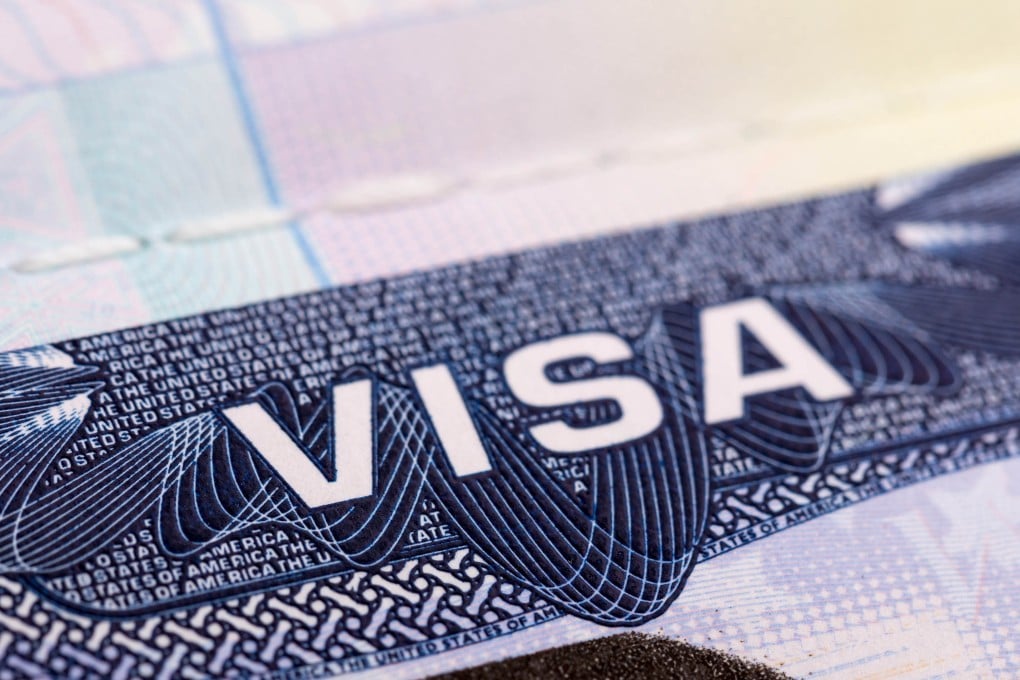
Cambodia, Myanmar, Laos and Thailand are among countries affected by the United States’ 75-country visa suspension. Photo: TNS
Sam Beltran
Published: 2:00pm, 17 Jan 2026
Published: 2:00pm, 17 Jan 2026
The inclusion of four Southeast Asian nations in the United States’ 75-country visa suspension has thrown up questions over Washington’s foreign policy approach, including its interest in the region.
Cambodia, Myanmar, Laos and Thailand are among countries affected by the indefinite suspension, set to take effect on January 21, as the Donald Trump administration continues to roll out punitive measures to drastically restrict immigration.
The list, released by the US Department of State on Wednesday, is targeted at countries embroiled in conflict, but also extends to long-standing American allies and others with a long history of relations with Washington.
The four Southeast Asian nations are among 13 Asia-Pacific countries hit by the restrictions, aimed at preventing “the entry of foreign nationals who would take welfare and public benefits”.
Cambodia, Myanmar, Laos and Thailand are among countries affected by the indefinite suspension, set to take effect on January 21, as the Donald Trump administration continues to roll out punitive measures to drastically restrict immigration.
The list, released by the US Department of State on Wednesday, is targeted at countries embroiled in conflict, but also extends to long-standing American allies and others with a long history of relations with Washington.
The four Southeast Asian nations are among 13 Asia-Pacific countries hit by the restrictions, aimed at preventing “the entry of foreign nationals who would take welfare and public benefits”.
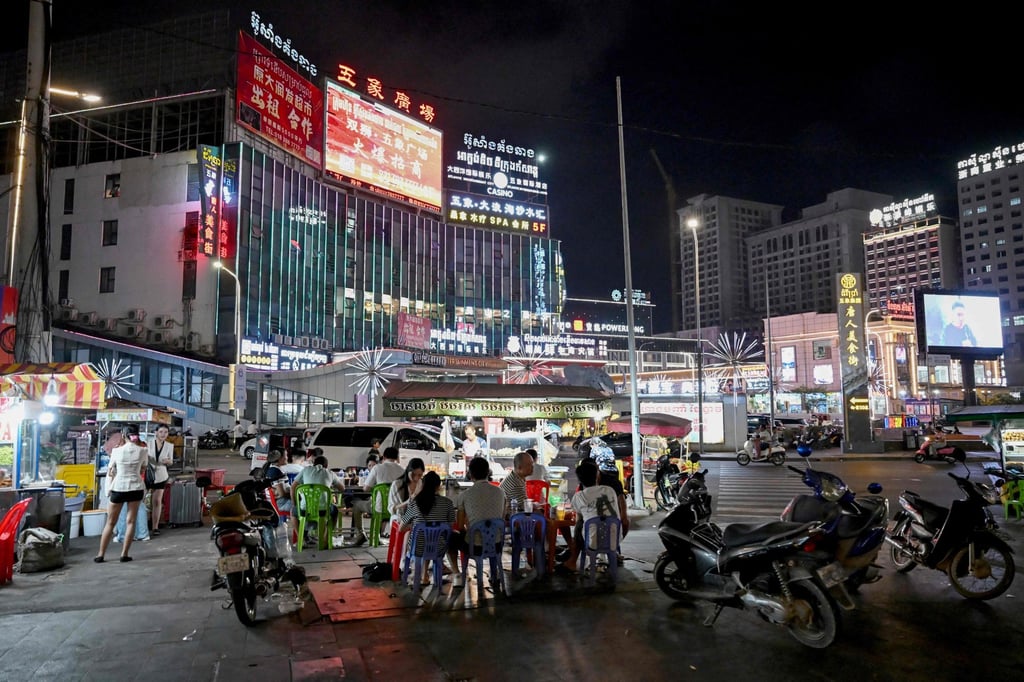
People eat next to street food stalls in Sihanoukville on Thursday. Cambodia is among four Southeast Asian nations on the recent US visa suspension list. Photo: AFP
Fox News reported that a US State Department memo had instructed consular officers to refuse visa applications under existing laws until the department reviewed and updated its screening procedures.
The instructions also include denying visas to applicants assessed as likely to rely on public benefits, taking into consideration various factors such as health, age, English proficiency, finances and the potential need for long-term medical care.
This means that older or overweight applicants may face denial, along with those who were previous beneficiaries of government cash assistance or had undergone institutionalisation.
Of the four Southeast Asian countries, Myanmar and Laos have borne the brunt of similar policies since Trump took office last year.
In June, Myanmar was one of 12 countries slapped with a full travel ban by Trump over a high number of individuals overstaying their visas.
Washington also in November ended temporary legal status for Myanmar nationals living in the US, citing the country’s junta elections as evidence of improving “governance and stability”.
This means that older or overweight applicants may face denial, along with those who were previous beneficiaries of government cash assistance or had undergone institutionalisation.
Of the four Southeast Asian countries, Myanmar and Laos have borne the brunt of similar policies since Trump took office last year.
In June, Myanmar was one of 12 countries slapped with a full travel ban by Trump over a high number of individuals overstaying their visas.
Washington also in November ended temporary legal status for Myanmar nationals living in the US, citing the country’s junta elections as evidence of improving “governance and stability”.
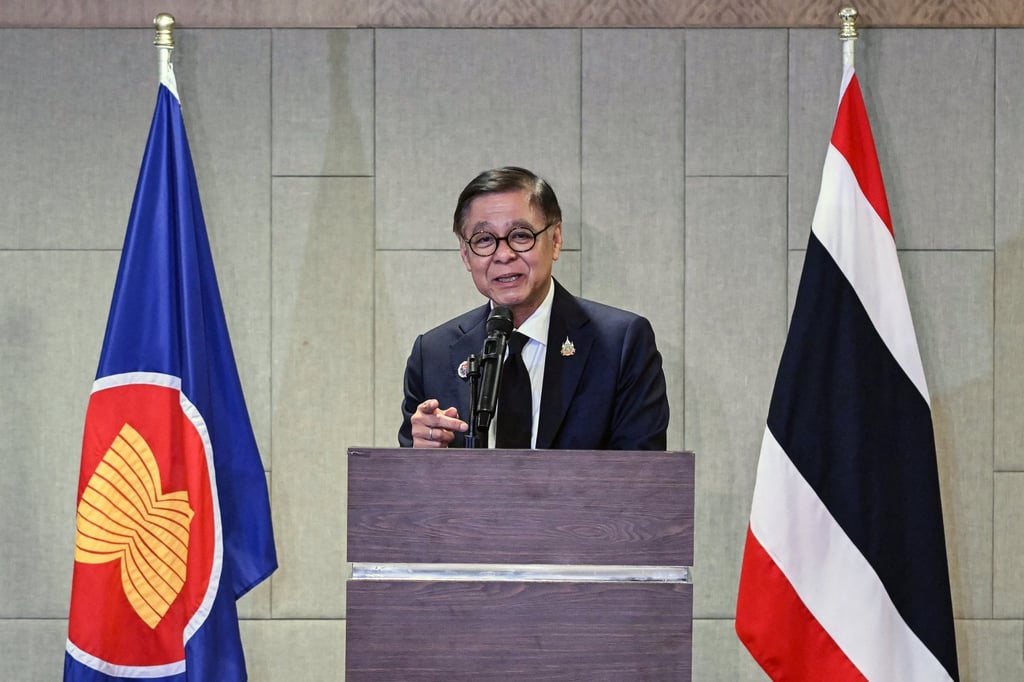
Foreign Minister Sihasak Phuangketkeow says Thailand has sought clarification on its inclusion in the US visa suspension list. Photo: TNS
Laos’ partial travel ban in June last year was upgraded to a full one in December and set to take effect later this month. This was reportedly due to a high number of visa overstays, and that the country “has historically failed to accept back its removable nationals”.
In June, Cambodia was included among 36 countries “of concern” named in a leaked memo from the US Department of State that were being considered for a partial or full travel ban “if they do not meet established benchmarks and requirements within 60 days”.
However, Thailand’s inclusion has surprised even the country’s officials, given long-standing ties with the US and a history of documented immigration.
A July 2025 report by the Department of Homeland Security showed that for the 2024 financial year, 2.91 per cent of Thai nationals overstayed their visas, slightly lower than Cambodia at 3.41 per cent, and well below Myanmar and Laos at 37.84 per cent and 26.9 per cent, respectively.
Thailand said on Thursday it had sought clarification on its inclusion.
“Thailand and the US have a special relationship and are the longest-standing allies of the US in the region. Why, then, is Thailand on this list? We have the right to raise these questions, and the US charge d’affaires understands this,” Foreign Minister Sihasak Phuangketkeow said.
He stressed that Thailand was different from other countries on the list, with many Thai nationals making an honest living working in various professions in the US.
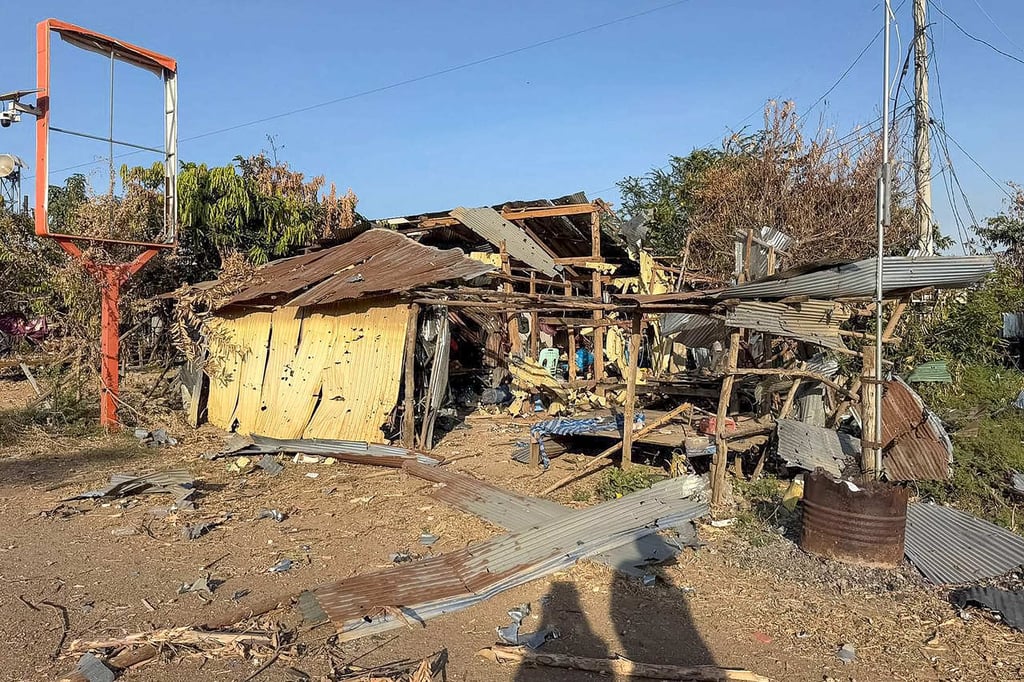
A view of damaged houses following clashes between Cambodian and Thai soldiers, in Chouk Chey village in Banteay Meanchey province, on January 2. Photo: Agence Kampuchea Press / AFP
Putting ‘America first’
Analysts said the visa suspension on the Southeast Asian countries was reflective of the Trump administration’s “America first” and nativist immigration policies taking precedence over its foreign policy approach.
“The policy decisions represent this ‘America first’ world view where regional security, economics and politics are all secondary to what’s happening within US borders – that is, the racial composition of the American population,” Hunter Marston, an adjunct fellow at the Centre for Strategic and International Studies’ Southeast Asia programme, told This Week in Asia.
Joanne Lin, a senior fellow and coordinator at the ISEAS – Yusof Ishak Institute’s Asean Studies Centre, said the move suggested the Trump administration treated immigration and foreign policy “as largely compartmentalised policy domains”.
While immigration decisions were driven primarily by domestic political priorities, Lin said foreign policy engagement with Southeast Asia “continues on a separate track, shaped by strategic and geopolitical considerations”.
The move comes a week after the US announced a US$45 million pledge to maintain the ceasefire between Cambodia and Thailand over their border dispute, in addition to addressing scam and drug trafficking operations in the region.
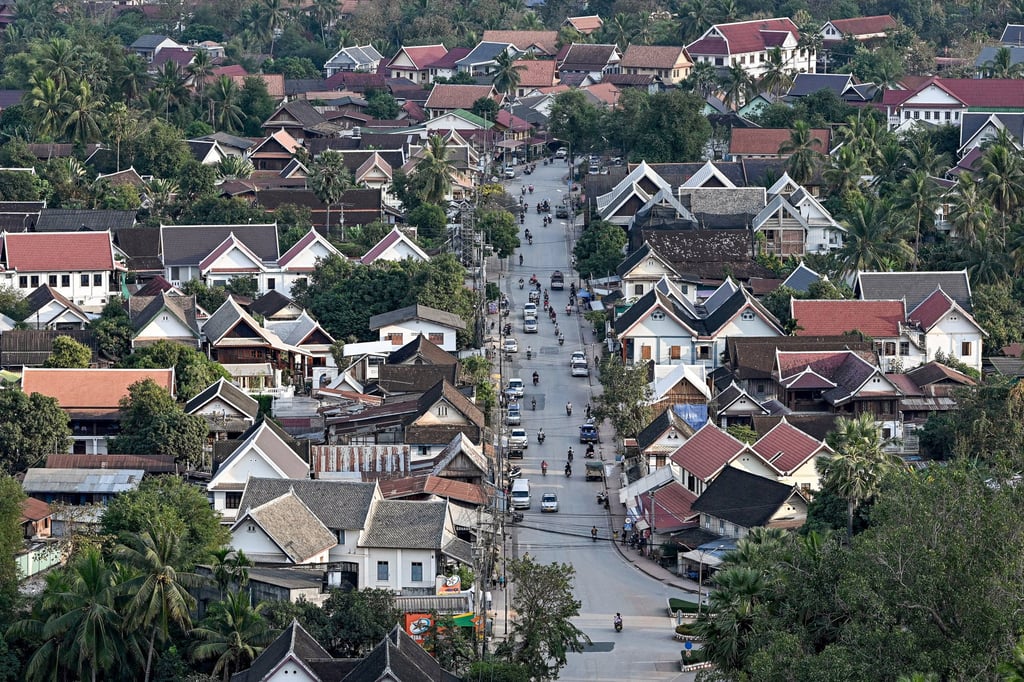
Laos is among countries in Southeast Asia facing the highest US tariff rates. Photo: AFP
Marston said there was “a serious mismatch” in the Trump administration’s various policy moves.
“The administration says it is committed to US allies and partners in the region, but with the exception of the Philippines and perhaps Singapore and Vietnam, it is treating them as strategically insignificant or mere trade imbalances to be adjusted with tariffs,” he said.
With Myanmar and Laos also facing the highest tariff rates within Southeast Asia, Marston said this showed Washington viewed them as “small and insignificant countries that the US doesn’t have to take seriously and can afford to push around”.
Analysts predict that in Southeast Asia, Laos is likely to bear the brunt of the immigration pause even as the Myanmar junta may welcome the policy as a way to prevent pro-democracy activists and ordinary citizens from leaving the country.
On Thailand’s inclusion, Marston said the country’s “connection to the global cyberscam industry” could have played a role in national security considerations.
It also reinforced the visa pause as being calibrated “around administrative and domestic criteria linked to immigration control and perceived public-charge risks”, Lin noted.
“In that sense, alliance status does not confer immunity when immigration is treated as a domestic policy rather than a foreign-policy tool,” she said.
The visa suspension was not an indictment of bilateral ties with individual countries such as Thailand, but “speaks more to Trump’s cost-containment and immigration politics at home”, while the ceasefire aid served the US leader’s “broader narrative of promoting peace and conflict de-escalation abroad”, Lin said.
“Engagement with Southeast Asia continues where it serves US interests, but there is far less concern about diplomatic optics or reassurance to partners.”
Sam Beltran is a journalist based in Manila who has written for publications in the Philippines and around Asia.
“The administration says it is committed to US allies and partners in the region, but with the exception of the Philippines and perhaps Singapore and Vietnam, it is treating them as strategically insignificant or mere trade imbalances to be adjusted with tariffs,” he said.
With Myanmar and Laos also facing the highest tariff rates within Southeast Asia, Marston said this showed Washington viewed them as “small and insignificant countries that the US doesn’t have to take seriously and can afford to push around”.
Analysts predict that in Southeast Asia, Laos is likely to bear the brunt of the immigration pause even as the Myanmar junta may welcome the policy as a way to prevent pro-democracy activists and ordinary citizens from leaving the country.
On Thailand’s inclusion, Marston said the country’s “connection to the global cyberscam industry” could have played a role in national security considerations.
It also reinforced the visa pause as being calibrated “around administrative and domestic criteria linked to immigration control and perceived public-charge risks”, Lin noted.
“In that sense, alliance status does not confer immunity when immigration is treated as a domestic policy rather than a foreign-policy tool,” she said.
The visa suspension was not an indictment of bilateral ties with individual countries such as Thailand, but “speaks more to Trump’s cost-containment and immigration politics at home”, while the ceasefire aid served the US leader’s “broader narrative of promoting peace and conflict de-escalation abroad”, Lin said.
“Engagement with Southeast Asia continues where it serves US interests, but there is far less concern about diplomatic optics or reassurance to partners.”
Sam Beltran is a journalist based in Manila who has written for publications in the Philippines and around Asia.


No comments:
Post a Comment